




Engineering summary
Continuous airborne acoustic monitoring replaces subjective noise complaints with time-stamped, verifiable records, and the AIR Infrasound Monitor captures the low frequencies ordinary meters miss.
In short: Noise harassment is detected by airborne acoustic monitoring systems that record sound continuously, 24 hours a day, and store time-stamped data rather than relying on subjective complaints. Pattern-recognition software separates normal background noise from repetitive banging, irritating high-frequency tones or amplified music aimed at neighbors. QuakeLogic's AIR Infrasound Monitor extends this to infrasound below the hearing range, capturing low-frequency signals that conventional microphones miss.
Noise harassment—whether from persistent loud neighbors, industrial operations, or environmental disturbances—can have serious impacts on health and well-being. Chronic exposure to unwanted sound is linked to stress, anxiety, insomnia, and reduced concentration.
While traditional noise complaints rely on subjective reporting, advances in airborne acoustic monitoring now provide a precise, verifiable way to identify and document noise harassment events.
What Is Airborne Acoustic Monitoring?
Airborne acoustic monitoring is the process of capturing and analyzing sound waves traveling through air using highly sensitive microphones and sensors. Unlike simple sound level meters, these systems:
- Continuously record noise levels in real time.
- Detect specific patterns and frequencies associated with harassment or nuisance sounds.
- Store and analyze historical data, creating a digital record for verification.
This makes the technology particularly useful for communities, workplaces, and legal authorities dealing with ongoing noise disputes.
Why Use Acoustic Monitoring for Noise Harassment?
1. Objective Evidence
Instead of relying solely on personal accounts, acoustic monitoring provides time-stamped, quantifiable data on noise events.
2. Continuous Surveillance
Systems can run 24/7, ensuring no event goes undocumented, even at night when disturbances are most disruptive.
3. Pattern Recognition
Advanced software can differentiate between normal background noise and intentional harassment, including:
- Repetitive banging or thumping
- High-frequency tones designed to irritate
- Amplified music or speech targeted at neighbors
Introducing the QuakeLogic AIR Infrasound Monitor
For clients seeking a professional-grade solution, QuakeLogic proudly offers the AIR Infrasound Monitor. This advanced system is purpose-built for detecting and analyzing both audible noise and infrasound (below human hearing range), making it uniquely powerful for identifying subtle or intentionally disruptive harassment sources.

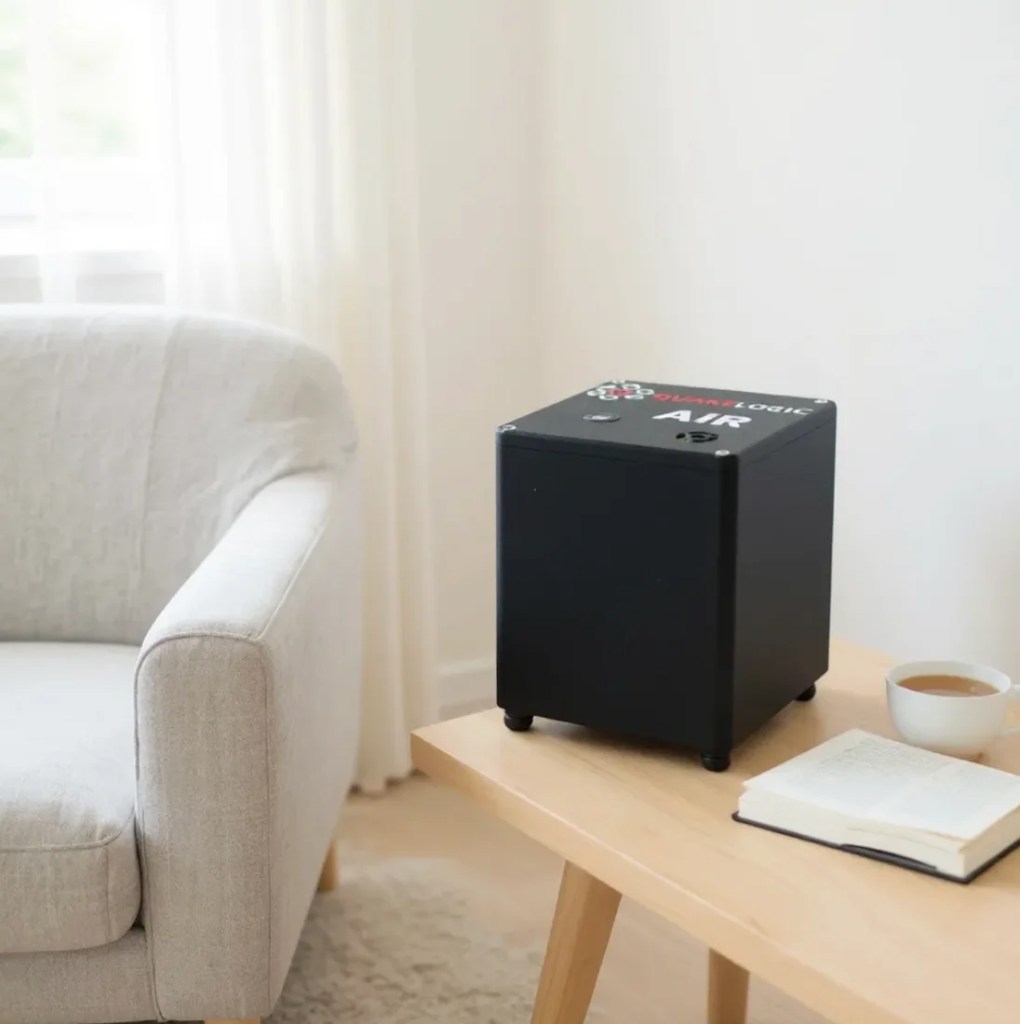
Key Advantages of AIR
- High-precision infrasound detection to capture low-frequency signals often missed by conventional microphones.
Whether for residents facing noise harassment, municipalities enforcing regulations, or industries monitoring compliance, AIR provides verifiable data.
Why QuakeLogic?
At QuakeLogic, we specialize in advanced monitoring solutions for seismic, vibration, and acoustic. Our AIR Infrasound Monitor represents the cutting edge of noise harassment detection—bridging the gap between traditional sound level meters and intelligent, cloud-connected monitoring systems.
Conclusion
Noise harassment is more than an inconvenience—it’s a public health issue. With the right tools, individuals, communities, and organizations can detect, document, and resolve noise disputes effectively. QuakeLogic’s AIR Infrasound Monitor transforms subjective complaints into actionable evidence, empowering a healthier, quieter future.
👉 Take control of your environment today. Explore the AIR Infrasound Monitor and empower your community with the evidence needed to ensure a healthier, quieter future.
Key Takeaways
- Chronic exposure to unwanted sound is linked to stress, anxiety, insomnia and reduced concentration.
- Acoustic monitors record continuously, detect specific patterns and frequencies, and archive history as a verifiable digital record.
- Software can distinguish background noise from repetitive banging, irritating high-frequency tones and amplified music or speech.
- 24/7 operation captures night-time events, when disturbances are most disruptive and least likely to be witnessed.
- The AIR Infrasound Monitor records both audible noise and infrasound below the human hearing range.
Frequently Asked Questions
Proof requires objective, time-stamped records rather than personal accounts. An airborne acoustic monitoring system records noise levels continuously, logs the time, level and frequency content of each event, and stores a historical archive that can be reviewed by authorities or in legal proceedings. Pattern recognition then shows whether events are repetitive and targeted rather than ordinary background noise.
Airborne acoustic monitoring captures and analyzes sound waves traveling through air with sensitive microphones and sensors. Unlike a handheld sound level meter, a monitoring system records in real time around the clock, detects specific patterns and frequencies linked to nuisance sound, and keeps historical data as a digital record for verification by communities, workplaces and legal authorities.
Yes. Conventional microphones and sound level meters are designed for audible frequencies and miss low-frequency energy below about 20 Hz. The QuakeLogic AIR Infrasound Monitor is built to capture both audible noise and infrasound, so subtle or deliberately disruptive sources that produce rumble, thumping or pressure sensations can be identified and documented.
Residents facing persistent loud neighbors, municipalities enforcing noise regulations, workplaces dealing with ongoing disputes and industries monitoring their own compliance all use acoustic monitoring. The appeal is the same in each case: continuous 24/7 surveillance ensures no event goes undocumented, and quantifiable data replaces subjective complaints when a dispute is escalated.
Chronic exposure to unwanted sound is linked to stress, anxiety, insomnia and reduced concentration, which is why noise harassment is treated as a public health issue rather than a mere inconvenience. Night-time disturbances are especially damaging because they interrupt sleep, and they are also the hardest to witness, so continuous monitoring is the most reliable way to document them.
Related Articles
Need help with a project? QuakeLogic designs and supplies seismic monitoring, earthquake early warning, structural health monitoring, infrasound, and shake table systems. Browse QuakeLogic products or contact our engineering team with your site, structure, or test requirements.
Discover more from QuakeLogic
Subscribe to get the latest posts sent to your email.
Topic cluster
Related engineering knowledge areas
- Structural Health MonitoringMonitoring for bridges, buildings, dams, tunnels, industrial facilities, and resilient infrastructure.
- Earthquake Early WarningOn-site detection, alerting workflows, seismic switches, and critical infrastructure warning systems.
- Infrasound MonitoringLow-frequency acoustic sensing for environmental noise, blast, UAV, volcano, and defense applications.
- Shake TablesUniaxial, biaxial, vertical, geotechnical, and multi-axis shake table testing systems.
Definitions and references
Terms, standards, and source cues
- SHM: related to Structural Health Monitoring in this QuakeLogic knowledge cluster.
- damage detection: related to Structural Health Monitoring in this QuakeLogic knowledge cluster.
- earthquake early warning: related to Earthquake Early Warning in this QuakeLogic knowledge cluster.
- seismic switch: related to Earthquake Early Warning in this QuakeLogic knowledge cluster.
- infrasound sensors: related to Infrasound Monitoring in this QuakeLogic knowledge cluster.
- low-frequency noise: related to Infrasound Monitoring in this QuakeLogic knowledge cluster.
- shake tables: related to Shake Tables in this QuakeLogic knowledge cluster.
- AC156: related to Shake Tables in this QuakeLogic knowledge cluster.
Need project support?
Talk with QuakeLogic about monitoring, testing, or warning systems.
Get engineering guidance for seismic monitoring, structural health monitoring, infrasound, vibration, earthquake early warning, and shake table applications.

